Cost guide for Brockley gardeners real cost per hour

If you are trying to work out the real cost per hour for a gardener in Brockley, you are probably doing the same thing most people do before booking any outdoor help: comparing a few quotes, squinting at the small print, and wondering why one price looks suspiciously low. Fair question. The truth is that garden work is rarely priced on a single simple number for long. It depends on the job, the time needed, access, tools, waste removal, and whether the work is a tidy one-off visit or part of regular upkeep. This guide breaks that down in plain English so you can budget properly and avoid the usual surprises.
In Brockley, as in much of London, gardeners are often balancing short travel distances, compact gardens, tighter access, and a wide spread of tasks-from mowing and border care to hedge trimming and seasonal clean-ups. That means the hourly rate is only part of the story. By the end, you will know what a fair hourly cost looks like, what pushes it up or down, and how to judge a quote without getting lost in jargon. If you want to compare with a local provider while you read, you can also review pricing and quote information and learn more about the broader gardening services available.
Why Cost guide for Brockley gardeners real cost per hour Matters
Hourly gardening costs matter because they shape everything else: whether you book maintenance monthly, hire help for a one-off reset, or split a bigger project into stages. When people only look at the headline hourly rate, they often miss the bits that really change the bill. A gardener at a slightly higher hourly rate might finish faster, bring the right kit, and leave less waste behind. In practice, that can cost less overall. Not always, but often enough to make the comparison worth doing properly.
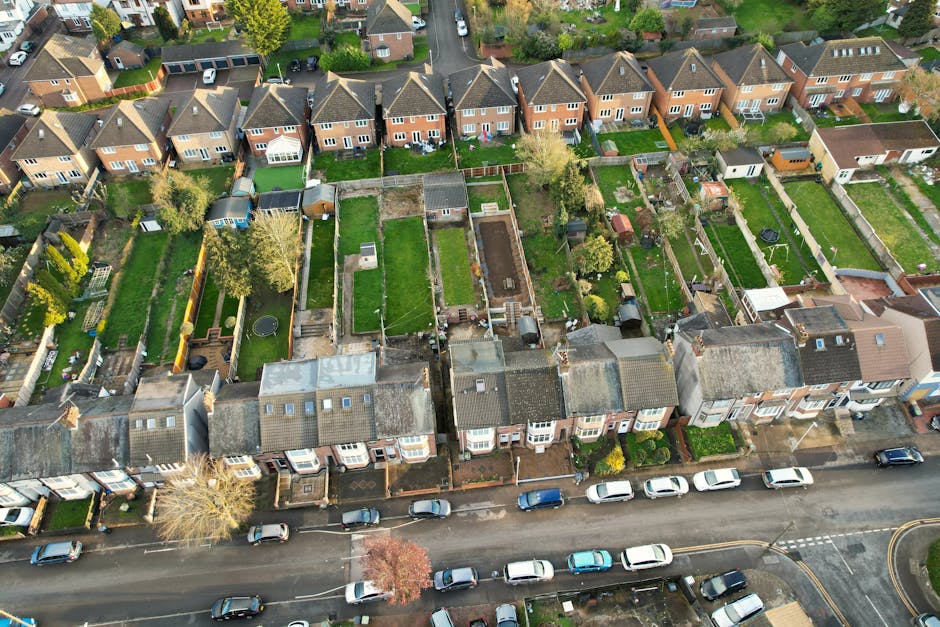
This is especially relevant in Brockley, where many gardens are compact but fiddly. Narrow side passages, terraced back gardens, mature hedges, awkward decking edges, or a patchy lawn can all increase labour time. A quick tidy-up can become a careful, time-consuming job. That is why a realistic cost guide helps you budget for the actual visit, not the ideal version of it.
It also helps you decide what kind of help you actually need. For example, if your garden just needs regular attention, a maintenance visit may be more cost-effective than paying repeatedly for one-off rescue work. If the hedge line has gone wild, a specialist hedge trimming service may be the smarter option than asking for general gardening time and hoping for the best. To be fair, that one decision alone can save a lot of back-and-forth.
There is another reason this matters: confidence. Once you understand how gardeners price their time, you can ask better questions, compare like with like, and avoid the awkward moment where a quote looks cheap until disposal, labour minimums, or extra tools suddenly appear. Nobody enjoys that surprise, least of all on a damp Tuesday afternoon when the bins are already full.
How Cost guide for Brockley gardeners real cost per hour Works
Most gardeners use hourly pricing as a starting point, then adjust for job type and complexity. The hourly rate covers the gardener's time, skill, basic overheads, and often the normal use of handheld tools. But the final price can also reflect travel, equipment, fuel, team size, and whether the job needs more than routine labour.
A simple way to think about it is this:
- Basic garden maintenance is usually the most straightforward to price by the hour.
- Specialist work such as hedge reduction, tree-related jobs, or heavy clearance may take longer and carry extra risk.
- One-off tidy-ups often cost more per hour than regular visits because the work is less predictable.
- Jobs with waste removal can include extra time for loading, bagging, and transport.
In a real Brockley garden, the difference might be something small but practical. A straightforward lawn edge trim and light weeding can be brisk. Yet if the space has overgrown beds, mossy paving, ivy climbing where it was never invited, and a hedge that is quietly taking over the fence line, the visit becomes more involved very quickly. That is normal, not a problem. It just changes the hourly reality.
Many customers also choose to combine services. For instance, a visit focused on lawn mowing can be paired with weed control or seasonal garden tidy-up work. If you are considering a broader upkeep plan, a regular garden maintenance service or a more focused lawn care plan may produce better value than separate ad hoc visits. Same time on site, better coordination, less hassle.
Another thing to watch is whether the quote is truly hourly or functionally a fixed-price estimate disguised as hourly pricing. Some businesses give an hourly rate but still set a minimum call-out or a minimum visit length. That is not unusual. It just needs to be clear before anyone starts working.
Key Benefits and Practical Advantages
The biggest benefit of understanding hourly gardener costs is control. You get a clearer sense of what you are paying for and whether the job matches the budget you had in mind. That sounds obvious, but it saves people more often than you might think.
Here are the main practical advantages:
- Better budgeting: You can estimate what a tidy-up, maintenance visit, or larger project might really cost.
- Cleaner comparisons: You can compare hourly rates alongside scope, waste handling, and equipment use.
- Fewer misunderstandings: A shared expectation of time and task helps avoid awkward billing disputes.
- More efficient planning: You can split jobs into logical stages rather than trying to do everything in one expensive visit.
- Better outcomes: A properly scoped job tends to be finished more neatly and safely.
There is also a subtle benefit: it helps you choose the right service, not just the cheapest one. For example, if you are planning privacy planting or hedge-based screening, a related guide like rapidly growing hedges for privacy can help you understand how ongoing maintenance influences cost. The same logic applies to planting and border work. A job that looks inexpensive now may ask for more visits later if it is not planned well.
And let's face it, nobody likes paying twice for the same patch of garden because the first visit was too rushed. That happens.
Who This Is For and When It Makes Sense
This cost guide is useful for a few different types of Brockley homeowner. You might be one of them, or maybe your neighbour is and you are quietly comparing notes over the fence.
- Busy households that want regular upkeep without spending every Saturday doing it themselves.
- Landlords and letting agents needing dependable outdoor presentation between tenancies.
- New homeowners trying to tame an inherited garden that has got away from them a bit.
- Older homeowners who want to keep the garden manageable without overreaching physically.
- Project-minded gardeners who want pricing clarity before redesigning a space.
It makes the most sense when you are weighing up whether to book a one-off visit or arrange regular support. A single seasonal reset might be ideal after winter, especially if the garden has suffered from damp, shade, and wind. In contrast, a small garden that only needs light pruning, border tidying, and mowing may be better served by a routine schedule.
If your issue is more about presentation than labour volume-say, a tired entrance, a messy terrace, or a patchy lawn near a deck-services like patio cleaning or lawn mowing may be more suitable than a broad, catch-all visit. That kind of matching is where good value comes from.
Step-by-Step Guidance
If you want to understand real hourly cost properly, do not start with the rate alone. Start with the job. Here is a practical way to assess it.
- List the tasks. Write down exactly what needs doing: mowing, edging, pruning, weeding, hedge trimming, clearance, planting, pressure cleaning, or general tidy-up work.
- Estimate the difficulty. Ask yourself whether access is straightforward, whether waste will need removing, and whether special tools are needed.
- Decide on frequency. A recurring visit usually spreads cost more efficiently than sporadic rescue jobs.
- Ask what is included. Check whether materials, fuel, disposal, or specialist tools are part of the hourly price.
- Clarify the minimum charge. Some jobs are billed for a minimum block of time, even if the work is finished sooner.
- Compare quotes on the same basis. One gardener's hourly rate is not helpful if another quote includes waste removal and the first one does not.
- Choose the right service split. If one area needs specialist attention, separate it from routine maintenance.
A tiny example: a front garden with a small lawn, a few weeds, and light trimming might only need a short visit. But add a long hedge, overgrown back borders, and a deck edge covered in slippery debris, and you are in a different price bracket. Same postcode, different job. That is the bit people often miss.
If the task is largely structural or design-led, not just maintenance, it may be more sensible to look at landscaping support rather than standard hourly gardening time. Similar point with damaged timber features or boundary issues: decking services and fencing are specialist jobs, and pricing them as simple garden labour can lead to confusion.
Expert Tips for Better Results
Over time, the best value usually comes from tidy planning rather than chasing the lowest hourly figure. A few habits make a noticeable difference.
- Book before the garden gets out of hand. Small jobs are faster, and faster jobs are usually cheaper overall.
- Group similar tasks together. If a gardener is already on site, it is usually more efficient to combine pruning, weeding, and edging.
- Keep access clear. Moving bins, toys, and garden furniture before the visit can save working time. It sounds basic because it is.
- Be realistic about disposal. Green waste takes time to bag and move. Heavy cuttings are not free magic.
- Ask for a time estimate as well as a rate. The hourly figure means much more when you know the likely duration.
- Use seasonal timing wisely. Spring and early summer tend to bring busier schedules; winterising jobs may need more time but can also prevent bigger problems later.
One thing we notice repeatedly is that customers often underestimate how much a hedge, shrub border, or ivy run can grow in a few months. If you are dealing with climbers or dense overgrowth, the relevant ivy removal tips and local hedge advice can be surprisingly useful before you book the work. Likewise, if privacy planting is part of your plan, reading about choosing trees for privacy can help you avoid a design that becomes costly to maintain.
Small tip, but a good one: take photos before you request a quote. A couple of wide shots plus one close-up of the tricky bits can save time and help produce a more accurate estimate. Simple, yet very effective.
Common Mistakes to Avoid
The same pricing mistakes come up again and again. Most are easy to avoid once you know what to look for.
- Choosing only by the cheapest hourly rate. A low rate can be offset by slow work, weak equipment, or extra add-ons.
- Ignoring minimum charges. A short job may still be billed as a half-day or minimum visit.
- Not checking what waste removal costs. Cuttings and debris can add time and effort.
- Forgetting access issues. Side gates, stairways, steep slopes, and tight terraces all matter.
- Assuming all gardening is the same. General garden upkeep is not the same as hedge reduction, tree work, or structural landscaping.
- Leaving the brief vague. "Tidy the garden" is too broad if you want an honest hourly comparison.
Another common mistake is asking for a gardener to do specialist work without saying so. For example, a rough hedge line may really need dedicated hedge trimming, while tree issues should be handled through tree surgery. If you blur those together, the price comparison becomes fuzzy, and nobody wins.
Expert summary: the real hourly cost is not just the number on the quote. It is the rate plus the time required, the skill involved, the access conditions, and the extras that make the job complete. If you compare those properly, the right choice usually becomes obvious.
Tools, Resources and Recommendations
You do not need specialist software or a spreadsheet degree to make a smart decision, thankfully. A basic checklist and a few realistic questions will do most of the work. Still, the tools you use can shape the result.
Useful things to have before you ask for a quote:
- Photos of the garden from a few angles
- A rough list of tasks by priority
- Notes on access, parking, and gate width
- Any information about recent damage, flooding, windfall, or overgrowth
- An idea of whether you want one-off work or repeated visits
For planning and trust, a few pages on the site can help you understand how the business works in broader terms. If you want reassurance on how jobs are handled, it is worth reading about health and safety expectations, insurance and safety, and payment and security. Those are the quiet, unglamorous pages people skip until they really matter. Then they matter quite a lot.
If your garden is messy because of weather exposure, the seasonal guides on creating a windproof haven and minimising severe weather damage can help you prioritise the right work before spending money on the wrong thing. And for basic upkeep planning, the article on low-maintenance garden ideas on a budget is a sensible companion read.
If you are starting from a neglected patch, there is also real value in browsing kickoff ideas for a neglected garden before you book the work. It helps you decide what is genuinely urgent and what can wait another month or two.
Law, Compliance, Standards, or Best Practice
For most domestic garden visits, the main compliance issues are practical rather than legal red tape. Still, the basics matter. A trustworthy gardener should work safely, use suitable equipment, and understand the difference between routine maintenance and higher-risk tasks.
Best practice usually includes:
- Clear scope of work before the visit begins
- Safe handling of tools and appropriate protective equipment where needed
- Reasonable care around property, pets, children, and shared boundaries
- Proper handling of waste and debris
- Transparent pricing with no hidden assumptions
If a job involves taller hedges, heavier branches, slippery surfaces, or awkward access, the risk level rises. That is why specialist pages such as health and safety policy and terms and conditions are worth reviewing before agreeing to any work. You are not being fussy. You are being sensible.
Depending on the task, a gardener may also need to distinguish between standard gardening, tree work, or boundary-related jobs. That distinction helps prevent confusion about responsibility, equipment, and time. It also keeps the quote more honest, which is really what everyone wants.
Options, Methods, or Comparison Table
Hourly pricing is only one way to buy garden help. In Brockley, the right option depends on how much work needs doing and how predictable it is. Here is a simple comparison.
| Pricing method | Best for | Pros | Watch-outs |
|---|---|---|---|
| Hourly rate | Regular maintenance, varied small tasks | Flexible, easy to start, good for ongoing work | Final cost depends on time and efficiency |
| Fixed quote | Defined jobs, tidy-up projects, clear scope | Budget certainty, simpler decision-making | May include a buffer for complexity |
| Visit minimum | Small jobs that would otherwise be too short | Practical for quick tasks | Can feel expensive if only a tiny amount of work is needed |
| Regular plan | Lawns, borders, pruning, and maintenance | Consistency, usually better long-term value | Needs commitment and a clear schedule |
As a rule of thumb, hourly pricing works best when the garden changes from visit to visit. Fixed quotes are better when the task is tightly defined. Regular plans tend to suit homes where the garden needs steady attention rather than rescue work. If you are unsure which route to take, a maintenance conversation is often more useful than asking for a price first. Slightly counterintuitive, but true.
Case Study or Real-World Example
Imagine a typical Brockley back garden after a few months of growth. The lawn is passable, but the edges are fuzzy, the borders are full of weeds, a hedge has pushed out into the path, and there is a pile of cuttings from a previous half-finished tidy-up. Nothing dramatic. Just a bit much.
In that situation, a gardener's real hourly cost depends on how the visit is structured. If the brief is simply "tidy everything," the gardener may spend time prioritising, moving debris, and dealing with access before the real work even begins. The result could be a longer bill than expected, even if the hourly rate itself seems reasonable.
Now compare that with a more structured brief: one visit for mowing and edging, a second for hedge trimming, and a third for border clearance and waste removal. The overall spend may end up similar, or even lower, because each visit is focused and efficient. That is the sort of thing you only notice after a few real jobs, not from price hunting alone.
Another example is a front garden that looks small but has poor access. A narrow passage, locked side gate, and awkward bins can add more time than a bigger but open garden. It sounds minor. It is not minor to the person carrying tools and bags back and forth.
So when people ask for the "real" hourly cost, the answer is not just a number. It is the number plus the context. That is the honest version, and it is the one that helps you make a better choice.
Practical Checklist
Use this checklist before you book a gardener in Brockley.
- Have I listed the exact tasks I want done?
- Do I know whether this is a one-off job or regular maintenance?
- Have I checked whether waste removal is included?
- Do I understand the minimum visit time or call-out charge?
- Have I explained access issues, parking, or locked gates?
- Do I need specialist help for hedges, trees, fencing, or decking?
- Have I shared photos or a clear description of the garden condition?
- Have I reviewed health, safety, and payment terms?
- Have I compared the full scope, not just the hourly rate?
- Am I booking at the right time of year for the job?
One last practical note: if you are still unsure what your garden actually needs, start smaller. A focused visit is often the smartest first move. You can always build from there.
Conclusion
The real cost per hour for Brockley gardeners is best understood as a working estimate, not a single fixed truth. The rate matters, but so do the task list, access, tools, waste, and the difference between routine maintenance and specialist work. Once you look at the full picture, pricing becomes much easier to judge-and a lot less frustrating.
If your garden needs regular care, compare maintenance options rather than treating every job as a one-off emergency. If the work is more specific, match it to the right service so the quote makes sense from the start. That simple shift saves time, money, and a bit of stress too. And honestly, that is half the battle with garden work.
Get a free quote today and see how much you can save.
Frequently Asked Questions
What is the real hourly cost for a gardener in Brockley?
The real hourly cost is the quoted hourly rate plus any extra time or charges for waste removal, specialist tools, difficult access, or a minimum visit length. The final figure often matters more than the headline rate.
Why do two gardeners quote very different hourly prices?
They may include different things. One quote might cover basic labour only, while another includes equipment, travel, disposal, or more experienced work. Skill level and job speed also affect the price.
Is hourly pricing better than a fixed quote?
It depends on the job. Hourly pricing works well for varied maintenance work. Fixed quotes suit clearly defined tasks like hedge cutting, clearance, or a set garden tidy-up.
Do gardeners usually charge a minimum amount of time?
Often, yes. Many gardeners set a minimum visit or call-out so short jobs remain worthwhile. It is a normal part of pricing, but it should always be explained clearly.
What makes a garden job more expensive per hour?
Poor access, heavy overgrowth, waste removal, specialist tools, height-related work, and unclear instructions can all make a job more expensive in practice.
Should waste removal be included in the price?
Not always. Some gardeners include it, while others charge separately. Ask this before booking, because green waste can take a surprising amount of time to handle.
How can I compare gardening quotes properly?
Compare the scope of work, the hourly rate, minimum charge, whether materials are included, and whether disposal is covered. Do not compare the hourly number on its own.
Is regular garden maintenance cheaper than one-off visits?
Usually, yes, over time. Regular visits prevent the garden from becoming overgrown, so each session tends to be faster and more predictable.
Do I need a specialist for hedge or tree work?
If the work is more than light trimming, specialist help is often the better choice. Hedge trimming, tree surgery, and structural garden jobs are best priced separately from general maintenance.
What should I tell a gardener before asking for a quote?
Give a clear list of tasks, photos if possible, access details, and any known issues like slippery paving, pets, locked gates, or heavy waste. The clearer the brief, the better the quote.
Can seasonal timing affect the hourly cost?
Yes. Busy periods, weather conditions, and the state of the garden can all influence how long the work takes and how much it costs overall.
How do I know if I'm paying too much?
If the rate seems high, check what is included, how long the job should take, and whether the task really needs specialist attention. A fair quote should make sense when you compare the whole package, not just the number.
Where can I learn more about related garden services?
You can explore broader service information through the site's pages on gardening services, garden maintenance, and about us if you want more context on how the service is structured.
In the end, the best quote is the one that fits your garden as it really is, not as you wish it were on a sunny June afternoon. That little difference matters more than most people expect, and once you see it clearly, everything gets easier.