Emergency tree work in Brockley urgent gardeners and quotes
When a tree suddenly leans after a storm, drops heavy limbs across a path, or starts threatening a roof, you do not have time for vague advice. You need a calm plan, a fast response, and a quote that makes sense. That is exactly where emergency tree work in Brockley comes in: urgent gardeners and quotes that help you deal with the problem safely, without adding more stress to an already messy situation.
This guide explains what emergency tree work involves, how urgent callouts usually work, what affects the quote, and how to choose the right help when time matters. It also covers practical safety steps, common mistakes, and the kind of service checks that matter in a real-world emergency. Let's face it, when a branch is making ominous noises at 7:30 in the morning, you want straight answers, not a sales pitch.
Why Emergency tree work in Brockley urgent gardeners and quotes Matters
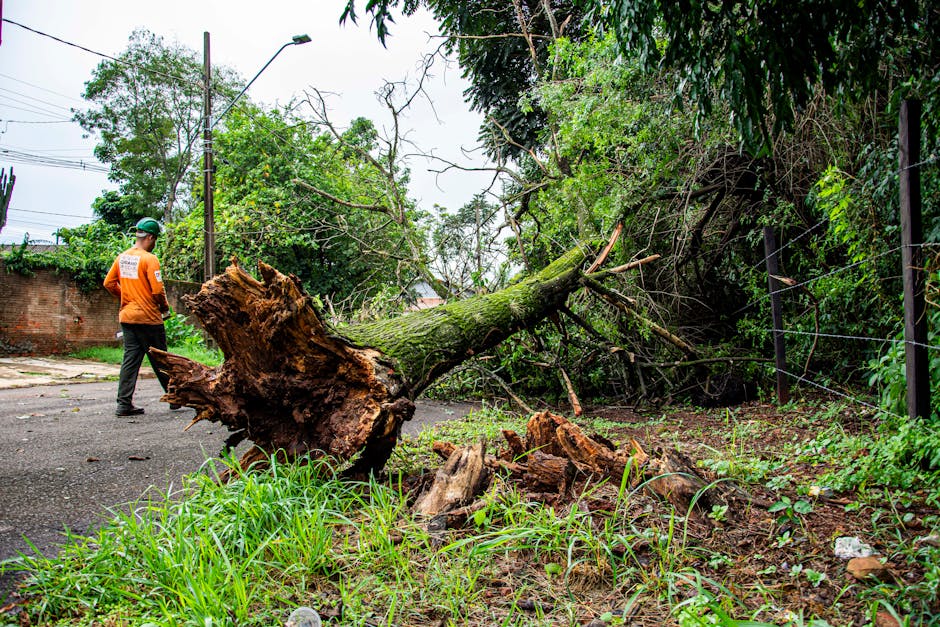
Emergency tree work is not just about tidying a garden quickly. It is about reducing immediate risk. In Brockley, where homes, shared boundaries, narrow access, parked cars, and close neighbours are part of everyday life, a damaged tree can become a problem in minutes. A cracked limb hanging over a driveway is not something to "keep an eye on" if it is already moving in the wind.
The value of a fast, well-handled emergency callout is simple: it can prevent further damage, protect people, and limit the size of the job. If a tree is split, uprooted, or shedding large branches, waiting often makes the work harder and more expensive. You may also end up dealing with blocked access, roof damage, fence collapse, or debris that spreads into a neighbour's garden. None of that is fun. None of it.
There is also the quoting side. Urgent work still needs a proper quote, even if it is estimated quickly. A clear emergency quote helps you understand what is being removed, what equipment may be needed, whether waste disposal is included, and whether the problem requires tree surgery, tree lopping and removal, or general clearance support. If you need a broader tidy-up after the immediate risk is handled, services like garden clearance or tree surgery can be relevant next steps.
How Emergency tree work in Brockley urgent gardeners and quotes Works
Most emergency tree jobs follow a practical sequence. First comes the safety check, then a quick assessment, then the urgent work itself, and finally a written or verbal quote depending on how rapidly the situation is evolving. In many cases, the first conversation is enough to establish whether the tree is dangerous, whether the area needs to be made safe immediately, and whether a full inspection is possible on arrival.
The process usually starts with a description of what has happened: has the tree split, is it hanging over a roof, has a branch fallen into the road, or has a root plate lifted in the wind? A few photos help, but even a simple phone description can be enough to decide if the work is urgent. From there, the gardener or tree worker may advise you to keep away from the area, move vehicles if it is safe, and avoid touching any unstable timber.
On arrival, the team will normally assess access, tree height, branch weight, overhead hazards, and whether the tree can be reduced in sections. Sometimes the best answer is immediate danger reduction rather than a full removal. That distinction matters. Not every emergency needs the whole tree taken down on the spot, although sometimes that is the safest route. A good provider will tell you plainly rather than dressing it up. You want the truth, even if it is a little inconvenient.
Quotes for urgent work are usually based on a handful of key factors:
- the size and condition of the tree
- the immediacy of the risk
- access to the site
- the amount of labour and equipment required
- waste removal and clearance needs
- whether follow-up work is needed after the emergency phase
If the job is part of a wider property repair or garden refresh, you may also want to look at supporting services such as fencing, garden maintenance, or landscaping after the danger is resolved.
Key Benefits and Practical Advantages
The biggest benefit of fast emergency tree work is obvious: it reduces immediate danger. But there are other practical advantages that people sometimes overlook in the rush.
- Less damage overall. A swift intervention can stop a split limb from tearing further into the trunk or roofline.
- Clearer decision-making. A proper urgent quote gives you options rather than panic.
- Better neighbour relations. If branches are crossing boundaries, prompt action helps avoid disputes and awkward conversations.
- Safer access. Paths, driveways, and rear garden entrances can be made usable again sooner.
- Reduced clean-up burden. Once the main hazard is dealt with, waste can be removed in a controlled way instead of becoming a larger mess later.
There is also a quieter benefit: peace of mind. You can hear the wind in the trees on a damp evening and know the danger has been dealt with properly. That matters more than people admit. Especially if you have children, older relatives, or tenants coming and going from the property.
A well-run urgent response also helps preserve healthy material where possible. Not every emergency tree job ends in complete removal. Sometimes careful reduction, sectional cutting, or support pruning can save the tree and still neutralise the risk. That is why experienced judgement matters more than a rushed "just chop it all down" approach.
Who This Is For and When It Makes Sense
Emergency tree work in Brockley makes sense for anyone facing immediate tree-related danger, but it is especially relevant if the tree is close to the house, public pavement, a neighbour's boundary, or a busy access route. In a compact urban setting, even a medium-sized branch can cause a disproportionate headache.
You may need urgent help if:
- a tree has been split or rocked by high winds
- large branches are hanging loose or partially broken
- a tree is leaning suddenly after rain or ground movement
- roots have lifted and the tree no longer feels stable
- branches are pressing on roof tiles, sheds, fencing, or wires
- fallen timber is blocking access or creating a trip hazard
It is also sensible to act quickly if you are responsible for a rental property, shared garden, school, business frontage, or communal access route. In those situations, the practical impact can spread beyond the tree itself. One blocked entrance becomes several annoyed people. Very quickly.
For homes that also need general reorganisation after a storm or severe weather, it can help to combine the tree work with services like gardening services or, if the site has become heavily cluttered, a broader garden clearance.
Step-by-Step Guidance
If you are dealing with an urgent tree issue, the aim is not to do everything at once. It is to do the right things in the right order. Here is a practical approach that works well in real life.
- Keep people away from the hazard. If a branch is cracked, moving, or resting under tension, do not stand under it. That sounds obvious, but people do it anyway.
- Look for secondary risks. Check for nearby power lines, unstable walls, damaged fences, wet surfaces, or hidden debris.
- Take a few photos from a safe distance. This helps the team assess the scale and may speed up the quote.
- Describe the problem clearly. Say what happened, when it happened, and what the tree is touching or threatening.
- Ask what level of response is needed. Is it immediate make-safe work, branch removal, or full tree removal?
- Request a clear quote. Make sure you understand the labour, disposal, access issues, and any extra steps.
- Confirm the plan before work begins. The best urgent jobs are tidy in process, not just tidy at the end.
- Check aftercare. Ask whether stump grinding, follow-up pruning, or fence repair might be needed later.
One simple tip: if the weather is actively worsening, tell the team that. A job that seems manageable at midday can become a different story by late afternoon, especially in exposed spots. Timing matters. More than people think.
Expert Tips for Better Results
Good emergency tree work is part technical skill, part judgement. The technical bit is important, of course, but judgement is what saves time and avoids unnecessary damage.
First tip: do not assume full removal is always the answer. Sometimes a careful reduction or sectional dismantling is safer and more proportionate. A mature tree with one damaged limb may not need the whole structure taken down. Sometimes it does. The point is to assess, not guess.
Second tip: ask how access affects the price. Tight rear access, a narrow side return, or the need to carry waste through a house can change the job substantially. It is not a trick; it is just the reality of working in London gardens.
Third tip: be honest about prior damage. If the tree has been leaning for months, if there was decay visible before the storm, or if previous pruning was rough, say so. That context helps the team plan properly.
Fourth tip: keep a little room in your budget. Urgent work can expose hidden issues, like decay in the stem or damaged boundary structures. It is better to budget with a small buffer than to be caught short halfway through a make-safe job.
Fifth tip: choose clear communication over flashy promises. The most reassuring teams are often the ones who say, "Here is the immediate risk, here is what we can do now, and here is what should wait." Simple. Calm. Useful.
Expert summary: In an emergency, the best tree work is usually the work that makes the site safe first, explains the next step clearly, and avoids turning a local problem into a larger, more expensive one.
Common Mistakes to Avoid
Most emergency tree problems get worse when people try to be brave, save a bit of money, or sort it themselves with the wrong tools. A little caution goes a long way.
- Standing too close to a damaged tree. A branch under tension can fail without much warning.
- Cutting unstable wood without training. Emergency chainsaw work is not a weekend experiment. Truth be told, it can go badly very quickly.
- Ignoring hidden hazards. Nearby cables, sheds, and glass doors are easy to overlook when you are focused on the obvious damage.
- Booking only on price. The cheapest quote is not much help if the team is not prepared for urgent risk management.
- Forgetting disposal costs. Debris removal and green waste handling often form part of the real job.
- Assuming emergency work fixes everything. Sometimes there is a second phase, such as stump treatment, fence repairs, or landscape tidy-up.
Another common mistake is to call too late. People often wait until the branch is visibly failing or the trunk starts moving. If you can hear cracking, see lifting roots, or notice fresh splits, that is already enough reason to get advice. No medal for waiting.
Tools, Resources and Recommendations
In emergency tree work, the right tools matter because the job often has to be controlled, precise, and safe around structures. You do not need to know every technical detail, but it helps to understand what a proper team may use.
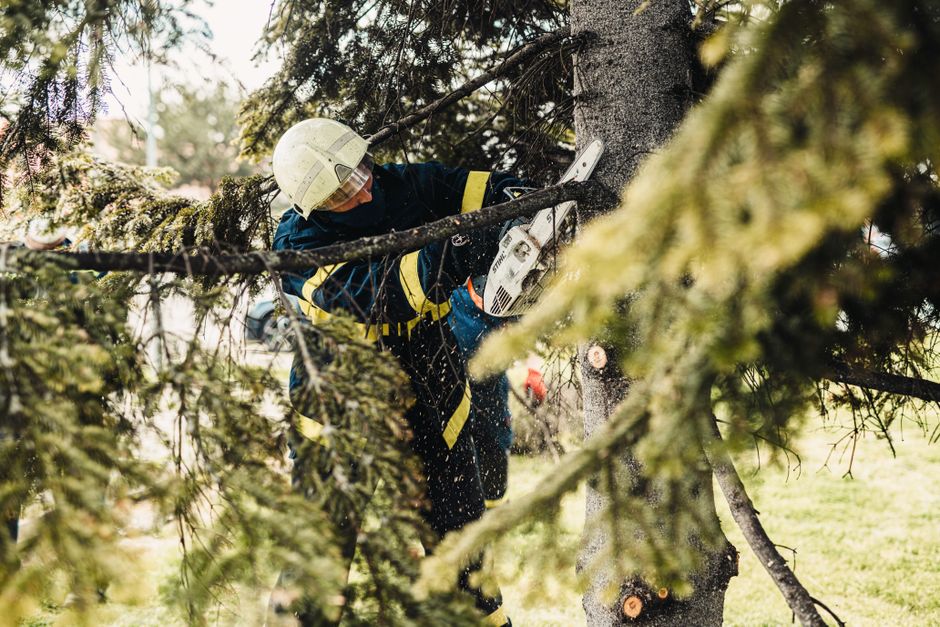
- Chainsaws and pruning saws for sectioning branches and stems
- Rigging equipment to lower heavy sections safely where space is tight
- Hand tools for fine cutting and clean finishing
- Protective gear such as helmets, gloves, eye protection, and cut-resistant clothing
- Chippers or removal equipment for clearing green waste efficiently
- Ropes and stabilising gear where controlled dismantling is needed
From a homeowner's perspective, your most useful "resource" is a clear set of photos, a short description, and a safe area for the team to work in. If you already know the tree species, approximate height, and whether the damage is new or ongoing, that can help too. If not, no problem. A decent urgent gardener or tree specialist will work it out on site.
For property owners planning ahead, services like tree lopping and removal and hedge trimming can also reduce future risk by preventing overgrowth from becoming a surprise emergency in winter.
Law, Compliance, Standards, or Best Practice
Emergency tree work still needs to be handled carefully from a legal and safety standpoint. You do not need to become an expert in arboriculture overnight, but you should expect responsible working practices. In the UK, tree work around public spaces, shared boundaries, and protected trees can involve permissions, site checks, and duty-of-care considerations. Where there is any doubt, a professional should advise before cutting begins.
Good practice normally includes:
- carrying out a sensible risk assessment before starting
- keeping the area clear of people and vehicles
- using trained staff and suitable protective equipment
- checking for overhead hazards and hidden instability
- disposing of arisings responsibly
- maintaining appropriate insurance and safe working procedures
You may also want to ask how the company handles safety and insurance, especially if the work involves a damaged roof, boundary fence, or difficult access. Helpful reassurance is not just nice to have; it is part of a proper service. If you want to understand a provider's approach in advance, their health and safety policy and insurance and safety information are sensible places to look.
On the practical side, the quote should be transparent. If the work is urgent, the reason for the urgency should be clear. If a temporary make-safe is being done first, that should be explained separately from any later follow-up work. Straightforward language is a good sign.
Options, Methods, or Comparison Table
Not every tree emergency requires the same response. Here is a simple comparison of the most common approaches so you can see how they differ.
| Option | Best for | Typical advantage | Possible limitation |
|---|---|---|---|
| Make-safe pruning | Loose limbs, partial breakage, immediate hazard reduction | Fast, targeted, often the least disruptive | May not resolve deeper structural problems |
| Sectional dismantling | Large trees near buildings or tight access | Controlled removal with reduced risk to property | More labour-intensive and time-consuming |
| Full tree removal | Severe instability, major decay, irreparable damage | Removes the hazard completely | May be unnecessary if the tree can be safely retained |
| Staged response | When immediate danger and follow-up work both exist | Balances speed with careful planning | Requires clear communication and a second visit |
If you are unsure which option you need, ask the provider to explain the risk in plain English. The best teams can do that without sounding defensive or rushed. And if they cannot explain it simply, that tells you something too.
Case Study or Real-World Example
A fairly typical Brockley scenario goes like this: after an evening of strong wind, a resident notices one side of a mature tree has split near a rear boundary. The tree is still standing, but a large limb is hanging over the garden path and brushing the shed roof. By the next morning, the branch has moved slightly, and the whole thing looks more awkward than before.
The sensible move is not to poke it with a broom or wait for it to "settle". The resident takes a couple of photos from a safe distance, keeps everyone away from the path, and asks for urgent advice. On site, the tree worker assesses whether the branch can be removed cleanly, whether the trunk is still stable, and whether access through the rear garden is feasible without damage to the paving.
In this sort of job, the outcome is often a staged solution. The immediate danger is removed first, the site is made safe, and the homeowner receives a quote for any extra work such as stump finishing, waste removal, or follow-up pruning. That keeps the price honest and the decision manageable. Not glamorous, perhaps, but exactly what people want when the rain is tapping at the windows and the branch is still there.
In some cases, the emergency callout reveals broader garden wear and tear. A weakened fence panel, compacted planting bed, or damaged path may need attention once the tree issue is resolved. That is where services such as lawn care, patio cleaning, or even decking services can slot into the wider recovery plan.
Practical Checklist
Use this simple checklist before you book urgent tree help:
- Keep people and pets away from the tree.
- Check whether the hazard is touching a roof, fence, road, or cable.
- Take safe photos for reference.
- Describe what happened and when it happened.
- Ask whether the job is make-safe, reduction, or removal.
- Request a clear quote with disposal included or explained.
- Confirm access arrangements and parking space if needed.
- Ask about insurance and safety procedures.
- Check whether follow-up work will be required.
- Keep the area clear until the team says it is safe.
If you are dealing with a bigger outdoor tidy-up after the emergency, it may also help to review pricing and quotes and the wider range of gardening services available for the rest of the property.
Conclusion
Emergency tree work in Brockley is about much more than cutting branches quickly. It is about fast risk reduction, clear quoting, and sensible decision-making when the weather, the tree, or the property has already taken a turn for the worse. A good urgent gardener or tree specialist will help you separate the immediate hazard from the longer-term tidy-up, so you can deal with the problem in the right order.
The best outcome is usually simple: make the site safe, explain the costs plainly, and leave you with a clear next step. That kind of service feels steady in a moment that is often anything but. And honestly, steady is what you want when a tree has decided to make a scene.
Get a free quote today and see how much you can save.
If you want to know more about the people behind the service, you can also read the about us page and check the site's terms and conditions before proceeding. Small detail, yes, but worthwhile.
When the wind drops and the garden goes quiet again, the relief is real. That matters too.
Frequently Asked Questions
What counts as an emergency tree work job?
An emergency usually means the tree or branch poses an immediate risk to people, property, access routes, or nearby structures. Typical examples include split limbs, sudden leaning, storm damage, or fallen timber blocking an entrance.
How quickly can urgent gardeners in Brockley respond?
Response times vary by workload, weather, access, and the severity of the problem. A provider should be able to tell you whether the situation needs immediate make-safe work or can wait for a planned visit.
Do I need a quote before emergency tree work starts?
You should expect at least a quick quote or clear estimate, even in an emergency. If the situation is dangerous, the first priority is safety, but the scope and likely cost should still be explained plainly.
Is emergency tree work always full tree removal?
No. Sometimes the safest and most cost-effective option is selective pruning, sectional dismantling, or reduction of the damaged part only. Full removal is only needed when the tree cannot be made safe any other way.
What affects the price of urgent tree work?
Common factors include tree size, severity of damage, access, equipment required, labour time, waste removal, and whether extra work is needed after the emergency phase.
Can I stay in the garden while the work is being done?
Usually not in the active work area. A safe distance should be maintained, especially where branches are under tension or equipment is in use. The team should advise you on where it is safe to stand.
What should I do before the team arrives?
Keep away from the hazard, move vehicles if it is safe, keep pets and children indoors, and take a few photos from a safe distance. Do not try to cut, pull, or prop up unstable wood.
Do emergency tree jobs need special safety checks?
Yes. A responsible team should assess the risks on arrival, including overhead hazards, unstable trunks, access issues, and nearby structures. That is standard good practice, not overkill.
What if the tree has damaged my fence or patio too?
That can be handled as part of a wider recovery plan. After the immediate hazard is removed, related work such as fencing repairs, patio cleaning, or general tidying may be arranged separately.
Can I get emergency tree work if the tree is in a tight rear garden?
Yes, although access may affect the method and the quote. Narrow side passages, limited parking, and the need to carry debris through the property can make the job more involved.
Should I wait for daylight before calling?
Not if there is an active danger. If a branch is hanging over a roof, driveway, or public path, it is better to get advice as soon as possible. Night-time emergencies still happen, after all.
How do I know the quote is fair?
A fair quote should explain what is being done, why it is urgent, what is included, and whether any follow-up work is separate. Clarity matters more than a rushed low figure that later grows legs.